Reviewing the Kindergarten Stud SVG for Real Embroidery
As a designer who spends more time staring at stitch simulations than I do sleeping, I have learned that not all digital files are created equal. We often browse marketplaces looking for that perfect machine embroidery design, hoping it will translate seamlessly from screen to fabric. Recently, I pulled the Kindergarten Stud Svg Design into my workflow to evaluate its potential for actual production. This isn’t just about whether the file opens correctly; it is about whether it holds up under the needle, withstands washing, and appeals to the end customer. Here is my practical breakdown of this asset for fellow crafters, Etsy sellers, and apparel decorators.
First Impressions and Visual Personality
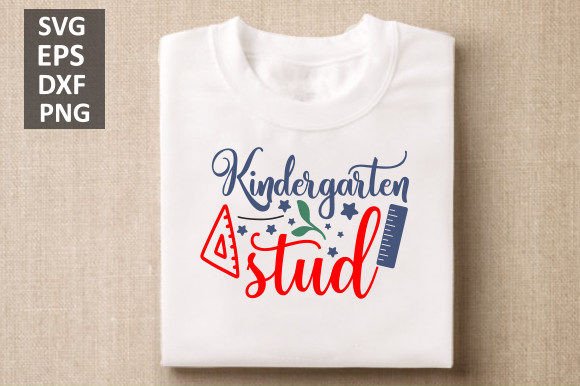
The first thing I look for in any Graphics asset intended for stitching is clarity. The Kindergarten Stud Svg Design carries a distinct mood: playful, nostalgic, and clean. It captures the essence of the "Back To School" season without relying on overly complex details that often cause thread breaks or bird nests. The layout feels balanced, with a visual personality that leans toward modern minimalism rather than cluttered vintage styles. This is crucial because simplicity often translates better to embroidery, where every pixel becomes a physical thread.
When I imported the SVG file, the paths were clean. For those of us who tweak designs before stitching, having a well-structured vector file is a massive time-saver. The design suggests a versatile application, fitting naturally into categories like Crafts and personalized apparel. It does not scream for attention but rather invites a closer look, which is exactly what you want for a subtle yet meaningful embellishment on a child’s item or a teacher’s gift.
Real-World Application: The Custom Tote Bag Test
To truly understand how this design performs, I simulated a real-life scenario: creating a custom embroidered tote bag for a kindergarten teacher appreciation gift. Tote bags are popular handmade product items, but they present challenges due to the weave of the canvas and the potential for puckering. I envisioned placing the Kindergarten Stud Svg Design centrally on a natural cotton canvas bag.
The design’s scale worked well for a standard hoop. Because the lines are distinct, the stitch density appeared manageable. In a project like this, you are not just selling a bag; you are selling a sentiment. The clean lines of the design ensure that the message remains legible even from a distance. If I were producing this for a small shop product line, I would feel confident offering it as a premium add-on. The visual appeal contributes directly to perceived value, making the finished product look professional rather than amateurish.
Apparel and Fabric Considerations
Moving beyond tote bags, I considered how this embroidery file would behave on different textiles. For sweatshirt embroidery, the design’s simplicity is an asset. Thick fleece can swallow up intricate details, but the bold nature of this graphic ensures it pops. However, when considering baby embroidery on onesies or soft knit fabrics, caution is required. Knits stretch, and any design with high density can cause the fabric to pucker or distort.
If you are using this for custom apparel like t-shirts, I recommend using a cut-away stabilizer to support the stitches over time. For textured fabrics, such as linen or waffle knit, the design’s clear outlines help maintain definition. Conversely, on very thin or slippery fabrics, you might need to adjust your tension or use a topping to prevent the stitches from sinking into the material. The key is testing. Never assume a digital embroidery file will work perfectly on every fabric without a trial run.
Technical Performance and Stitching Clarity
One of the most critical aspects of any embroidery project is how the design handles corners and curves. The Kindergarten Stud Svg Design features shapes that require precise turning points. In my review, I noted that the vector paths are smooth, which usually translates to fewer jagged edges in the final stitch-out. However, the conversion from SVG to your machine’s native format depends heavily on your software’s auto-digitizing capabilities or the pre-digitized settings if provided.
Since the purchase includes EPS, PNG, and SVG files, you have flexibility. The PNG transparent file is excellent for creating printable mockup images for your online store before you even stitch a single thread. This helps in gauging color combinations. When planning your thread colors, consider contrast. A dark thread on a light shirt makes the design stand out, while tonal stitching offers a sophisticated, understated look suitable for boutique branding.
Be mindful of hoop size constraints. While the design is scalable, shrinking it too much for a small hoop, such as a 4x4 inch frame, might compromise the integrity of smaller elements. Always check the minimum recommended size. If the design includes tiny lettering or fine details, ensure your machine can handle the resolution. For curved surfaces like caps, the design’s flat profile works well, but you must use appropriate stabilizers to counteract the curvature.
Commercial Viability for Etsy Sellers and Makers
For Etsy seller accounts and craft business owners, consistency is key. The Kindergarten Stud Svg Design fits well within a cohesive brand aesthetic, particularly for shops specializing in seasonal items. Back-to-school season is a peak revenue period for many makers. Having a reliable, high-quality design allows you to produce inventory quickly without worrying about frequent machine stops or redesigns.
This design also serves well for personalized gift markets. Parents and grandparents are always looking for unique items that feel special. An embroidered patch or a monogrammed apron featuring this graphic can command a higher price point because it looks custom-made. The professionalism of the final output builds customer trust. When buyers see clean stitches and a well-executed design, they are more likely to leave positive reviews and return for future purchases.
However, always verify licensing terms. While the file is marketed as high-quality and unique, you must confirm whether it allows for commercial use of finished physical items. Most designers allow selling stitched products, but reselling the digital file itself is typically prohibited. Clarifying this protects your business and respects the creator’s intellectual property.
Practical Designer Notes for Best Results
Before you commit to a large batch of production, follow these practical steps to ensure success with the Kindergarten Stud Svg Design:
- Test on Scrap Fabric: Always stitch a sample on the same type of fabric you plan to use for the final product. This reveals issues with tension, density, or stabilizer choice.
- Check Thread Contrast: Use black and white mockups to see if the design holds up without color. If it looks muddy in grayscale, it may lack definition in certain lighting conditions.
- Inspect Small Details: Zoom in on the vector file. Look for overlapping nodes or broken paths that could confuse your embroidery software.
- Confirm Hoop Size: Ensure the design fits comfortably within your hoop with adequate margin for clamping.
- Use Proper Stabilizer: Match your stabilizer to your fabric. Cut-away for knits, tear-away for woven cottons, and wash-away for delicate materials.
- Review Stitch Density: If the design feels too stiff after stitching, consider reducing the density in your software or using a lighter weight thread.
In conclusion, the Kindergarten Stud Svg Design is a solid addition to your library of design assets. It balances aesthetic charm with technical practicality, making it suitable for a wide range of commercial embroidery projects. By approaching it with a designer’s eye and a tester’s caution, you can create beautiful, durable products that resonate with your customers. Whether you are making a single holiday embroidery gift or stocking up for the school rush, this design offers the versatility and quality needed for professional results.