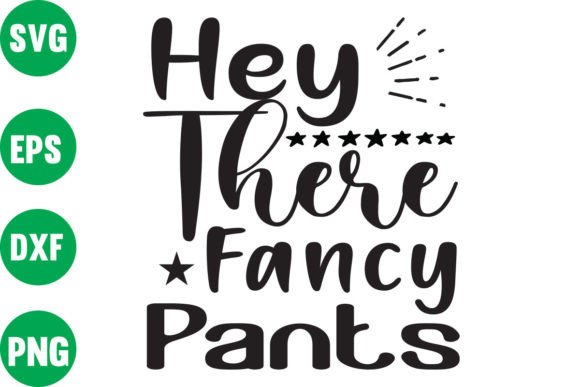
Reviewing Hey There Fancy Pants for Embroidery
As a designer who has spent countless hours digitizing patterns and testing machine embroidery design files on various fabrics, I approach every new asset with a critical eye. We are not just looking for cute graphics; we are looking for stitchability, visual balance, and commercial viability. Today, I am evaluating Hey There Fancy Pants, a teacher-themed SVG design that promises versatility across multiple crafting mediums. While the product description highlights its use for Cricut and Silhouette cutting machines, my focus is strictly on how this graphic translates into thread when applied to real-world embroidery projects.
First Impressions and Visual Personality
The first thing that strikes me about Hey There Fancy Pants is its playful yet structured aesthetic. The typography suggests a whimsical, approachable vibe, which aligns perfectly with the education sector. For an Etsy seller or a craft business owner specializing in teacher appreciation gifts, this mood is essential. It avoids being overly childish while maintaining a sense of fun. However, as an embroidery reviewer, I look past the screen display. I analyze the line weights and the negative space. In Crafts and Graphics, what looks clean on a vector path can sometimes become a nightmare under the needle if the details are too tight or the curves too sharp.
The layout appears balanced, which is a good sign for hoop placement. Whether you are working on a left-chest logo for a polo shirt or a central design for a tote bag, symmetry and weight distribution matter. This design seems to have a solid footprint, suggesting it could hold its own without requiring excessive underlay or dense fill stitches that might pucker lightweight fabrics.
Real-World Application: The Teacher Appreciation Tote
To truly test the potential of this file, I imagined a specific scenario: creating a custom tote bag design for a end-of-year teacher gift. Tote bags are typically made from canvas or heavy cotton, which are forgiving substrates for embroidery. In this context, Hey There Fancy Pants shines. The bold lines of the text would translate well into a satin stitch or a slightly wider running stitch, ensuring readability from a distance.
If I were producing this as a handmade product, I would consider using a contrasting thread color to make the text pop against the natural fabric tone. For instance, a deep navy or forest green thread on a beige canvas creates a sophisticated, boutique look. This moves the item away from generic craft fair merchandise and into the realm of desirable small shop product offerings. The design’s simplicity allows the quality of the stitching to take center stage, which builds customer trust and perceived value.
Versatility Across Apparel and Home Decor
Beyond tote bags, this design has strong potential for sweatshirt embroidery. A crewneck sweatshirt provides a stable, thick surface that handles stitch density well. Placing Hey There Fancy Pants on the upper back or across the chest could create a trendy, casual look that teachers might actually wear outside the classroom. For custom apparel, the key is scaling. Since this is provided as an SVG, you have the flexibility to resize it before converting it into an embroidery file. However, one must be cautious not to scale it down too much, as small text can become illegible when stitched.
I also see potential for home decor items like pillow covers or kitchen towels. A personalized gift featuring this design on a high-quality linen tea towel could be a hit for holiday seasons. The rustic charm of embroidery complements the playful text, creating a juxtaposition that feels modern and fresh. For holiday embroidery projects, pairing this design with seasonal motifs could extend its shelf life beyond the typical school year timeline.
Technical Considerations for Stitching
While the visual appeal is strong, the technical execution requires careful planning. Since the source file is an SVG intended for cutting machines, it is not a native embroidery file format like PES or DST. This means you will need to use embroidery software to convert the vector paths into stitches. This step is critical. You cannot simply import an SVG and expect perfect results. You must define stitch types, angles, and densities.
For the text elements in Hey There Fancy Pants, I recommend using a satin stitch for larger letters to give them a smooth, professional finish. For smaller details or thinner lines, a running stitch might be more appropriate to avoid bulk. Pay close attention to stitch density. If the design is too dense, it can cause the fabric to pucker, especially on thinner materials like t-shirts. Always use a proper stabilizer—cut-away for stretchy fabrics like sweatshirts and tear-away for stable woven fabrics like canvas totes.
Fabric and Hoop Constraints
When working with textured fabrics, such as waffle-knit towels or ribbed sweaters, the clarity of the design can suffer. The uneven surface can distort fine lines. In these cases, I advise testing the design on scrap fabric first. Check how the thread colors interact with the fabric texture. Dark fabrics require careful consideration of underlay stitches to prevent the fabric color from showing through the top stitching. Additionally, ensure your hoop size accommodates the full design with enough margin for stabilization. Cramped hooping can lead to misalignment and poor stitch quality.
Be particularly cautious with curved surfaces like caps. While the design could work on a cap front, the curvature might distort the text if the design is too wide. Break the design into smaller sections if necessary, or adjust the digitizing to account for the pull of the fabric on a curved plane. For embroidered patch creation, this design would work well, provided you use a stiff stabilizer and merrowed edges to frame the text neatly.
Commercial Viability and Brand Consistency
For commercial embroidery professionals, consistency is key. Using a design like Hey There Fancy Pants can help establish a recognizable style for your brand. If you specialize in educational themes, this asset fits seamlessly into a broader collection. It enhances buyer engagement because it speaks directly to a specific niche audience. Teachers love feeling appreciated, and a well-executed embroidered item carries more emotional weight than a mass-produced print.
However, always verify licensing terms. The product description mentions it is perfect for various projects, but you must confirm whether the license allows for the sale of finished physical goods or if it is limited to personal use. Many digital asset providers have different tiers for commercial rights. Never assume; always check. Additionally, since this is a graphic file, ensure you have the right to modify it for embroidery purposes. Some licenses restrict derivative works.
Final Designer Notes
Before launching this design in your small business, take the time to create printable mockup images. Show the design on different products to help customers visualize the final result. Test it in black and white to ensure the contrast holds up. Compare light and dark fabric backgrounds to determine the best thread pairings. Remember, the quality of your finished product depends not just on the design, but on your preparation, stabilizer choice, and machine maintenance.
In conclusion, Hey There Fancy Pants is a promising asset for designers willing to put in the digitizing work. It offers a charming aesthetic that resonates with the education market. With careful attention to stitch types, fabric selection, and licensing, it can become a staple in your portfolio of design assets. Treat it not just as a graphic, but as a blueprint for a tactile, high-quality embroidered experience.