Reviewing the Happy First Day of 1st Grade Design
As an embroidery designer who has spent years digitizing files and stitching out thousands of samples, I approach every new machine embroidery design with a critical eye. It is not just about whether the image looks cute on a screen; it is about how those lines translate into thread, how the fabric behaves under the needle, and ultimately, whether the finished product holds up to the wear and tear of daily life. Recently, I evaluated the Happy First Day of 1st Grade graphic to determine its viability for real-world craft projects. This review breaks down the practical application of this design for fellow designers, Etsy sellers, and hobbyists looking to create high-quality school-themed merchandise.
First Impressions and Visual Personality
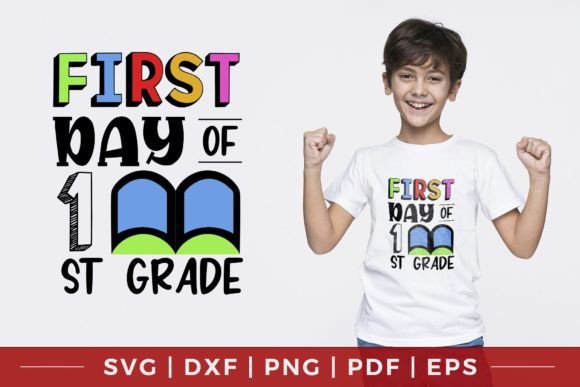
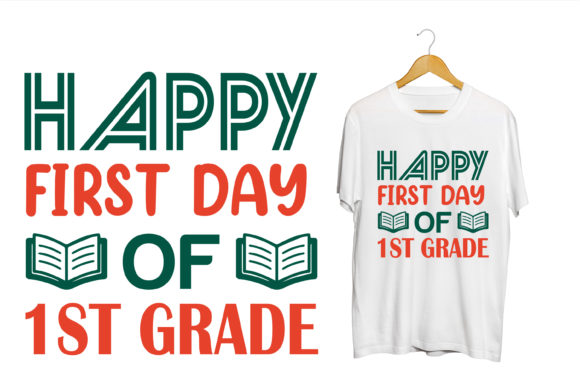
The initial appeal of the Happy First Day of 1st Grade design lies in its celebratory tone. School-themed graphics often lean heavily into rigid, academic aesthetics, but this particular piece captures the excitement and nervous energy of a major childhood milestone. The layout appears balanced, with a clear hierarchy that draws the eye to the central message. For an embroidery project, this clarity is crucial. When we translate a digital graphic into stitches, complex gradients and tiny details can get lost. This design seems to prioritize bold shapes and readable typography, which suggests it will stitch out cleanly without requiring excessive micro-management of thread paths.
From a mood perspective, it feels welcoming and cheerful. This makes it an ideal candidate for personalized gifts and boutique branding. Whether you are creating items for a local school fundraiser or stocking your online shop with back-to-school essentials, the visual personality of this graphic aligns well with the emotions parents and children feel during this transition. It is not just a label; it is a memory keeper.
Real-World Application: The Custom Sweatshirt Scenario
To truly test the potential of this design, I imagined a specific real-life scenario: a custom order for a first-grader’s commemorative sweatshirt. This is a staple product for many small shop owners and craft business operators. In this context, the Happy First Day of 1st Grade design would likely be placed on the left chest or centered on the front.
If used as a standard fill stitch design, the texture of the sweatshirt fleece requires careful consideration. A dense fill might cause puckering if the stabilizer is not chosen correctly. However, if the design incorporates elements suitable for applique, it could reduce bulk and add a lovely dimensional quality. For a tote bag design, the same graphic could serve as a functional and stylish accessory for carrying library books or lunch boxes. The versatility of the layout allows it to adapt to different substrates, from the smooth surface of a canvas tote to the textured weave of a linen tea towel.
For Etsy sellers, this type of graphic is a strong performer. It appeals to the "mompreneur" demographic who value handmade products that feel personal and special. By offering this as part of a coordinated set—perhaps paired with matching sibling designs or teacher appreciation items—you increase the perceived value of your store. The key is presentation. Using high-quality printable mockups that show the design stitched on realistic fabrics helps customers visualize the final result, building trust and encouraging conversion.
Technical Considerations for Stitching Success
While the aesthetic is strong, the technical execution determines the professionalism of the final item. Here are several factors to consider before loading this file into your machine:
- Stitch Density and Fabric Choice: If the design relies heavily on satin stitch for lettering, ensure your fabric can support the width of the columns. On thin or stretchy fabrics, such as jersey t-shirts, a cut-away stabilizer is non-negotiable to prevent distortion. For woven fabrics like denim or canvas, a tear-away may suffice, but testing is always recommended.
- Small Details and Legibility: Examine the smaller elements of the Happy First Day of 1st Grade graphic. Tiny serifs or intricate decorative accents can become tangled nests of thread if the stitch count is too high for the size. If you are working with a smaller hoop size, you may need to resize the design carefully, ensuring that no element becomes too small to stitch clearly.
- Thread Color Contrast: The impact of this design depends heavily on color selection. High contrast between the thread and the fabric ensures readability. For dark fabrics, consider using lighter thread colors or incorporating a white underlay to make the design pop. Testing the design in black and white mockups can help you assess the balance of light and dark areas before you commit to expensive threads.
- Curved Surfaces: If you plan to use this on caps or hats, remember that the curvature of the crown affects how the design lays flat. You may need to adjust the pull compensation or choose a design variant that is specifically digitized for headwear to avoid gaps or puckering.
Commercial Viability and Brand Consistency
For commercial embroidery projects, consistency is key. When you sell a handmade product, customers expect a certain level of quality. The Happy First Day of 1st Grade design, when stitched correctly, enhances brand consistency by providing a polished, professional look. It signals to the buyer that attention to detail was paid, not just in the selection of the graphic, but in the execution of the embroidery.
This design fits naturally into various categories within Crafts and Graphics. It is not limited to apparel. Consider expanding your product line to include embroidered patches, which can be ironed onto jackets or backpacks. Patches are a low-risk way to test new designs because they allow for precise hooping and stabilization on a stable backing material before being applied to the final garment. Additionally, this graphic could be adapted for nursery decor, such as pillow covers or wall hangings, extending its lifecycle beyond the first week of school.
Practical Designer Notes and Best Practices
Before you begin production runs or list this item in your small shop product catalog, take these practical steps:
- Test on Scrap Fabric: Always stitch a sample on the same type of fabric you intend to use for the final product. This allows you to check thread tension, color blending, and overall appearance.
- Verify Licensing: Since this is described as a free design or part of a broader collection, confirm the license terms. Ensure you have the right to use it for commercial purposes if you plan to sell finished items. Some free designs are for personal use only, so clarity here protects your business.
- Check File Formats: Ensure you have the correct embroidery file format for your specific machine. While the source may offer SVGs for printing, embroidery machines require specific formats like PES, DST, or JEF. Do not assume compatibility; verify the available digital embroidery file types.
- Inspect Stitch Types: Look at the stitch map. Are there long running stitch outlines that might snag? Are there dense fill areas that might cause stiffness? Understanding the construction of the design helps you troubleshoot issues before they ruin a garment.
In conclusion, the Happy First Day of 1st Grade design offers a charming and commercially viable option for embroidery enthusiasts and professionals alike. Its strength lies in its emotional resonance and adaptable layout. By paying attention to technical details like stabilizer choice, thread contrast, and fabric texture, you can transform this simple graphic into a cherished keepsake. Whether you are creating a single personalized gift for a grandchild or stocking your Etsy shop with back-to-school essentials, this design has the potential to perform beautifully. Treat it with the care it deserves, and it will reward you with high customer satisfaction and repeat business.