Reviewing Fourth Grade is Magical Svg Design
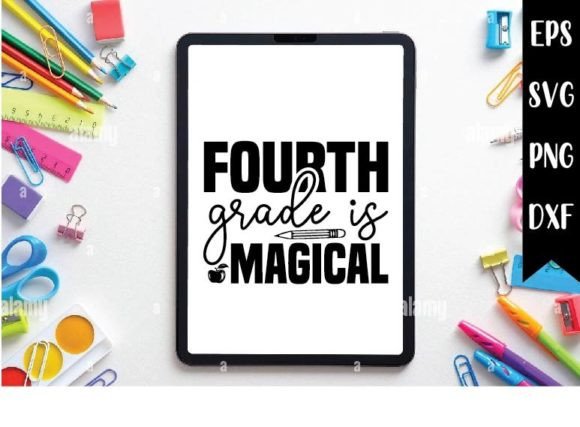
As a designer who spends half my life staring at digitized files and the other half watching needles punch through fabric, I have learned that not every pretty graphic translates into a quality machine embroidery design. When I first pulled up the Fourth Grade is Magical Svg Design, my initial reaction was one of cautious optimism. The theme is undeniably charming, tapping into that specific nostalgia and excitement surrounding the back-to-school season. However, charm alone does not make a viable product for a craft business. I needed to know if this file would hold up under the needle, how it would behave on different textiles, and whether it offered enough versatility for an Etsy seller or boutique owner looking to expand their autumn inventory.
First Impressions and Visual Personality
The visual personality of this design leans heavily into whimsy. It captures the magic of childhood education without being overly juvenile, which is a delicate balance to strike. For fourth graders, who are transitioning from early elementary innocence to pre-teen independence, the aesthetic needs to feel special but not babyish. This design achieves that through its layout and thematic elements. As a piece of Graphics intended for conversion or direct use in cutting software, the lines appear clean, which is a promising sign for embroidery.
When evaluating any embroidery file, I look immediately at the complexity of the shapes. Are there tiny, isolated details that will cause thread breaks? Is the text legible when scaled down? The Fourth Grade is Magical Svg Design seems to prioritize bold, recognizable shapes over intricate micro-details. This is a smart move for a design intended for mass customization. It suggests that the final stitched result will have high clarity, even from a distance. For a handmade product meant to be worn or displayed, this readability is crucial. A muddy, indistinct design rarely commands a premium price, no matter how cute the concept.
Real-World Application: The Custom Sweatshirt Test
To truly understand the value of this asset, I mentally placed it into a real-world production scenario. Imagine a local parent ordering a custom sweatshirt embroidery piece for their child’s first day of school. They want something durable, comfortable, and photogenic for social media. This is where the rubber meets the road. If I were stitching this onto a mid-weight cotton blend fleece, the design’s structure would need to support the stretch of the fabric.
Given that this is part of a Back-to-School SVG bundle, it is likely optimized for cutting machines like Cricut or Silhouette. For embroidery, this means we must consider how these vector paths translate to stitch types. Large open areas might require a fill stitch to prevent fabric show-through, while outlines would benefit from a crisp satin stitch or a clean running stitch depending on the width. The "magical" elements—perhaps stars, wands, or sparkles implied by the title—need to be sized correctly. If they are too small, they become mere dots of thread that lose their shape after washing. If they are too large, they add unnecessary bulk to the garment.
For a tote bag design, the considerations shift slightly. Canvas is stable and forgiving, allowing for higher stitch density without worrying about puckering as much as we would with a t-shirt. Here, the design could shine as a bold statement piece. A sturdy embroidered patch created from this file could also be a fantastic addition to a backpack, adding a layer of texture and durability that printed vinyl simply cannot match.
Navigating Fabric and Hoop Constraints
One of the most critical aspects of using digital assets like the Fourth Grade is Magical Svg Design is understanding where they fail. Not every fabric is a suitable canvas. While the design may look perfect on screen, placing it on a textured towel or a thin, stretchy jersey requires careful planning. On textured fabrics like terry cloth, fine details can get lost in the pile. In such cases, I would recommend using an applique design approach if the file allows, or simplifying the stitch count to focus on bold outlines rather than dense fills.
Hoop size is another non-negotiable constraint. Before committing to a full production run, you must confirm the maximum dimensions of the design. If the text "Fourth Grade" is arched or elongated, it might exceed the bounds of a standard 4x4 hoop, requiring a 5x7 or larger frame. Always check the specific dimensions provided in the download package. Furthermore, when working with dark fabrics, thread color contrast becomes paramount. A light-colored thread on a navy sweatshirt will pop, but if the design relies on subtle shading, it might disappear. Testing your thread colors on scrap fabric is not just a suggestion; it is a requirement for professional results.
Commercial Viability and Brand Consistency
For the Etsy seller or small shop owner, consistency is key to building brand trust. The Fourth Grade is Magical Svg Design fits neatly into a broader seasonal collection. It pairs well with other grade-level designs, creating a cohesive lineup for back-to-school marketing. This consistency helps customers recognize your shop as a go-to source for personalized education-themed gifts. Whether you are selling custom apparel, baby embroidery items, or home decor like pillow covers, having a reliable, high-quality design file streamlines your workflow.
However, commercial use comes with responsibilities. Since this is described as an instant download cutting file compatible with various software, you must verify the licensing terms. Can you sell the physical embroidered item? Can you use the digital file in a printable mockup? These questions must be answered before you list your small shop product. Never assume; always read the license included with the design assets. Protecting your business from copyright issues is just as important as choosing the right stabilizer.
Practical Designer Notes for Best Results
To ensure your final product meets professional standards, keep these practical tips in mind when working with this design:
- Test on Scrap First: Always stitch out a sample on the same fabric type you intend to use for the final product. This reveals issues with tension, density, and registration.
- Check Stabilizer Compatibility: Use a cut-away stabilizer for stretchy fabrics like t-shirts and sweatshirts to prevent distortion over time. For woven fabrics like tote bags, a tear-away may suffice.
- Inspect Small Details: Zoom in on the digital file. Are there any nodes or points that are too close together? These can cause thread bunching or breaks during stitching.
- Contrast is King: Ensure your thread colors stand out against the fabric. High contrast improves legibility and visual appeal, especially for text-heavy designs.
- Verify Licensing: Confirm whether the license allows for commercial sales of finished goods. This is vital for any craft business operating legally.
In conclusion, the Fourth Grade is Magical Svg Design offers a solid foundation for creative entrepreneurs looking to capitalize on the back-to-school market. Its strength lies in its thematic relevance and clean visual structure. By approaching it with a designer’s eye—considering fabric texture, stitch density, and commercial licensing—you can transform a simple digital file into a cherished personalized gift or a best-selling finished product. Remember, the magic isn't just in the design; it's in the execution.